Following the introduction of submarines in several navies, Admiral Sir Arthur Wilson, the First Sea Lord of the British Royal Navy, stated in 1901 that submarines were
underhanded, unfair, and damned un-English
and that he would convince the British Admiralty to have
the crews of enemy submarines captured during wartime be hanged as pirates.
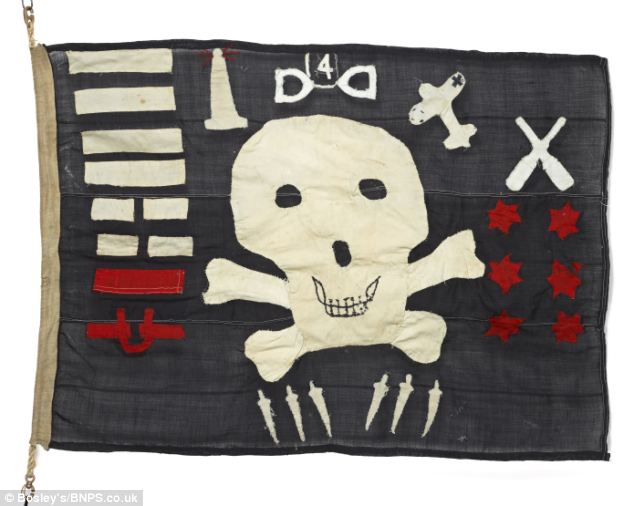
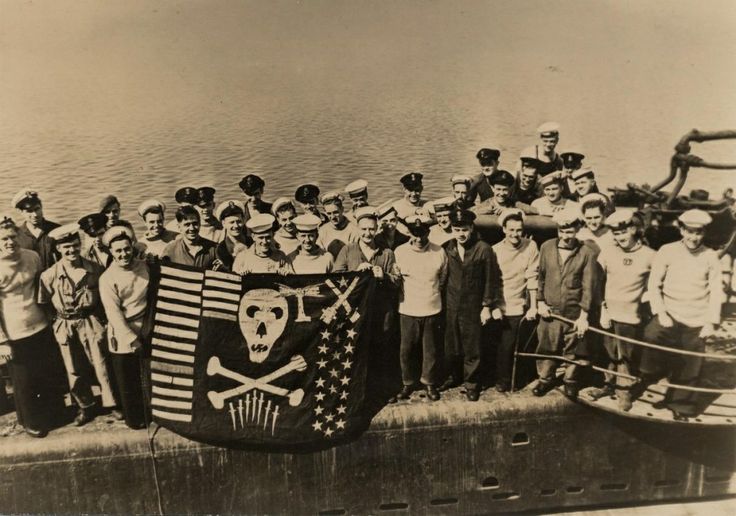
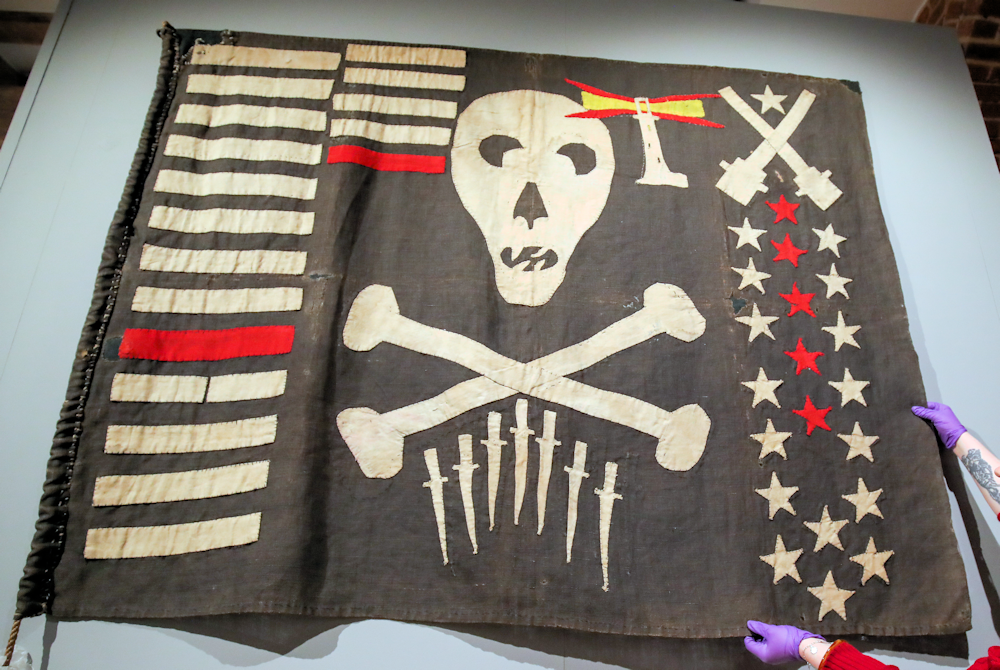
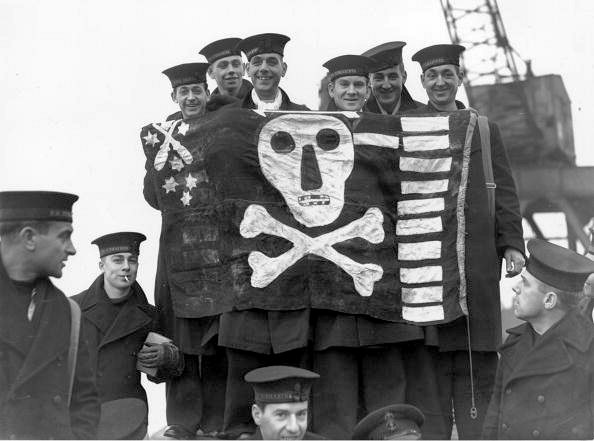
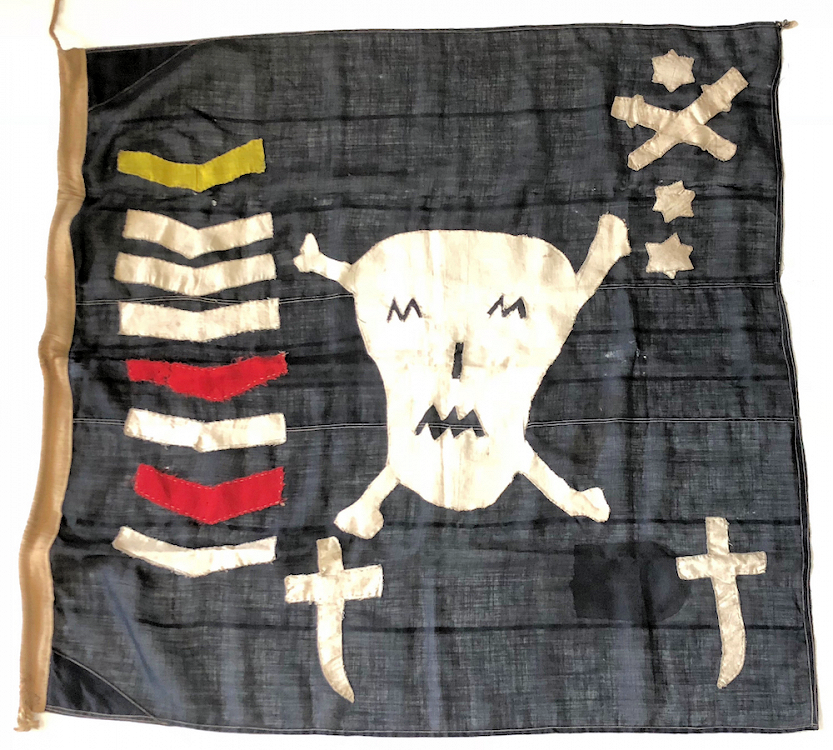
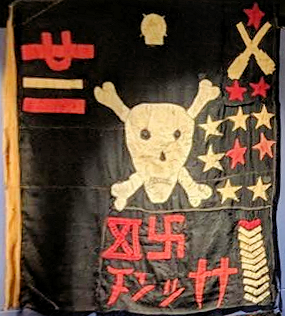
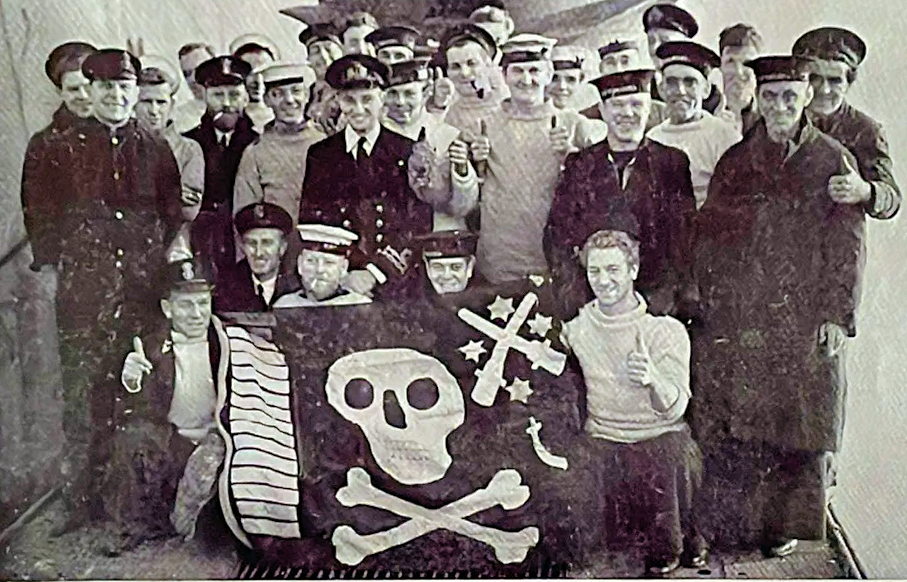
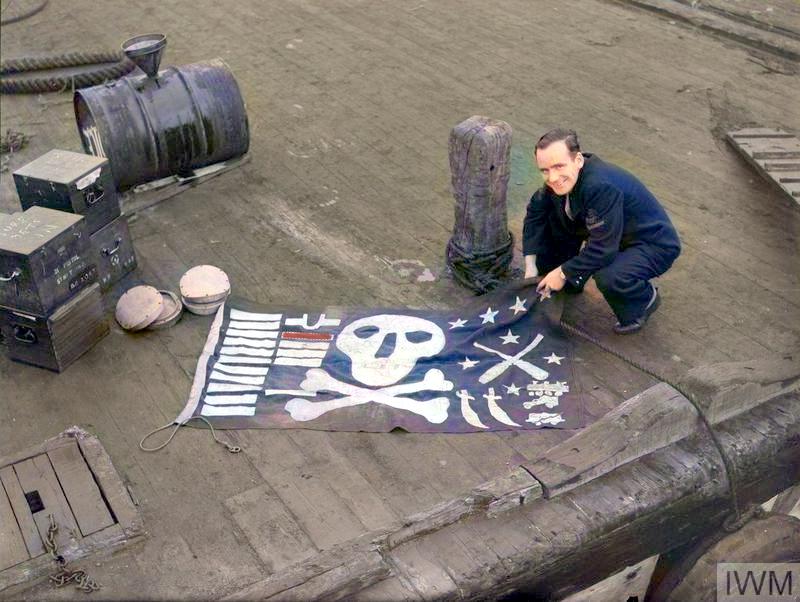
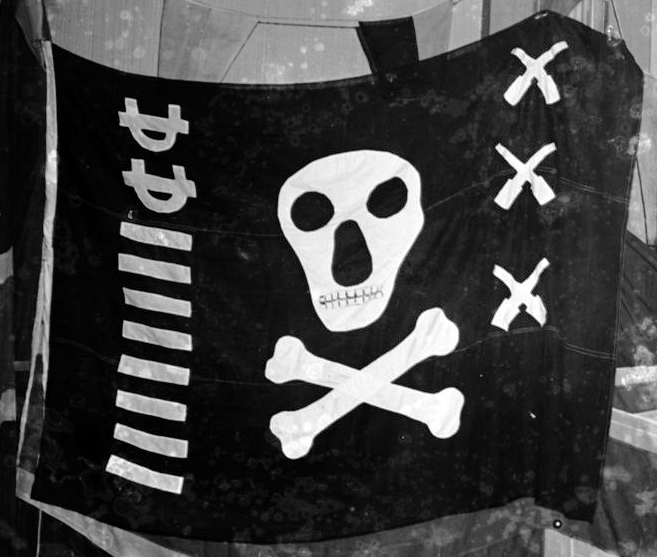
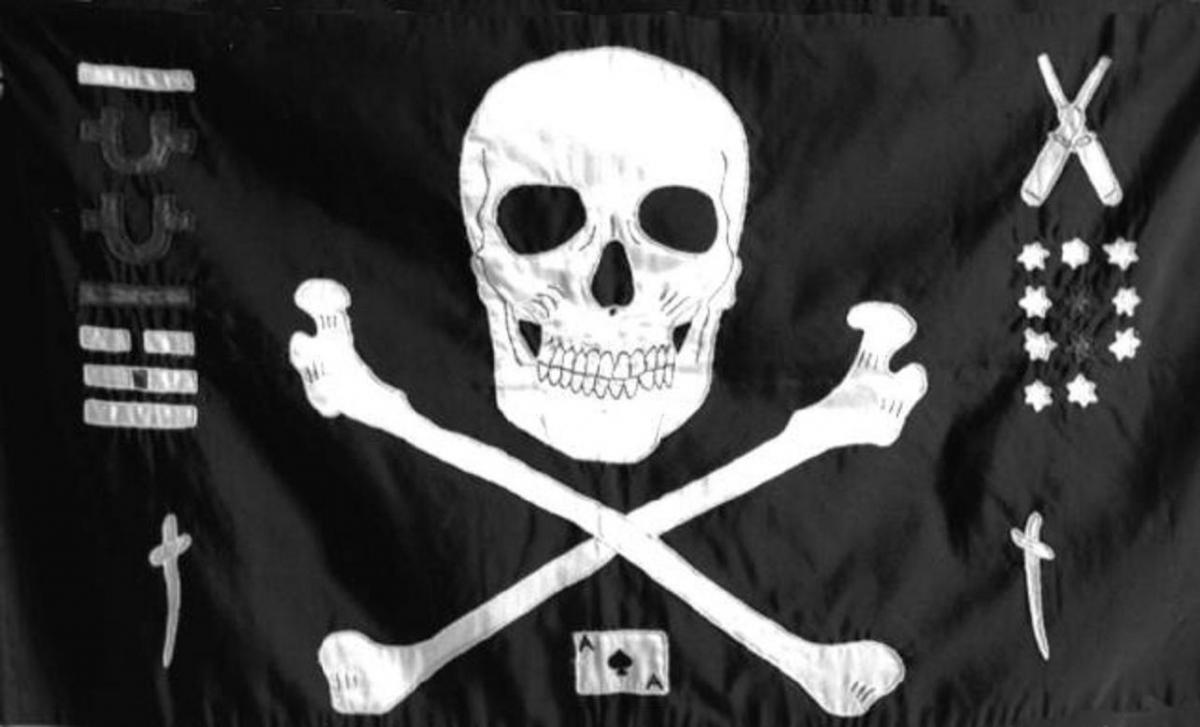
During World War 1, remembering comments by First Sea Lord, Lieutenant Commander Max Horton began flying the flag after returning from successful patrols. Initially, Horton's submarine HMS E9 flew an additional flag after each successful patrol, but when there was no room for more, the practice was changed to a single large flag, onto which symbols indicating the submarine's achievements were sewn.
The practice of flying the Jolly Roger was adopted by a small number of other submarines: HMS E12 flew a red flag with the skull and crossbones on return from a foray into the Dardanelles in June 1915,and the first known photograph of the practice was taken in July 1916 aboard HMS H5. The Admiralty disapproved of the practice, but was unable to stop it.
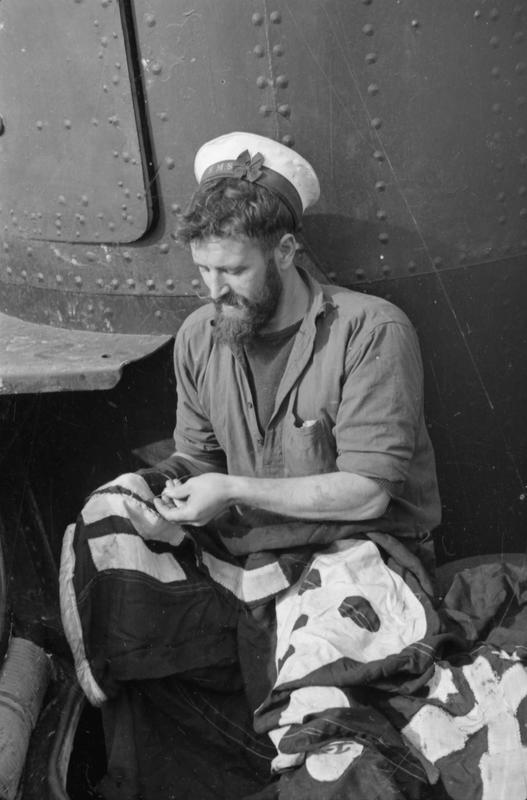
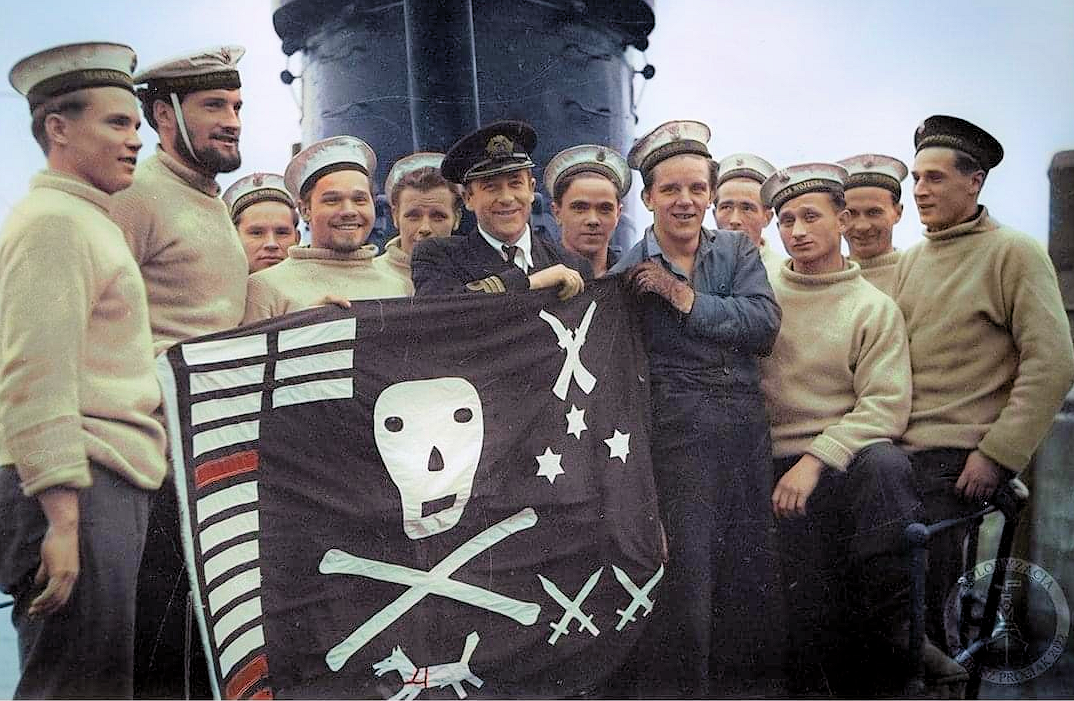
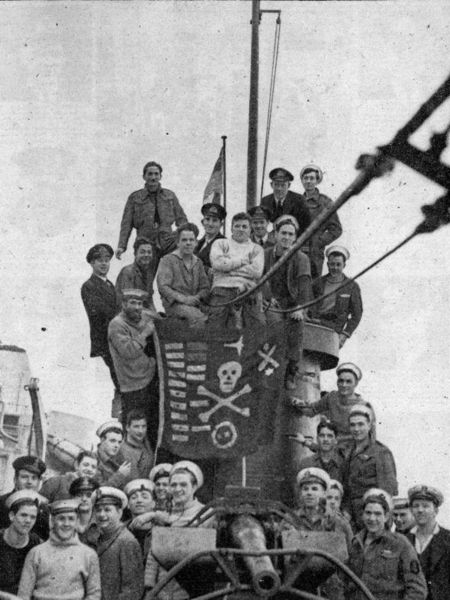
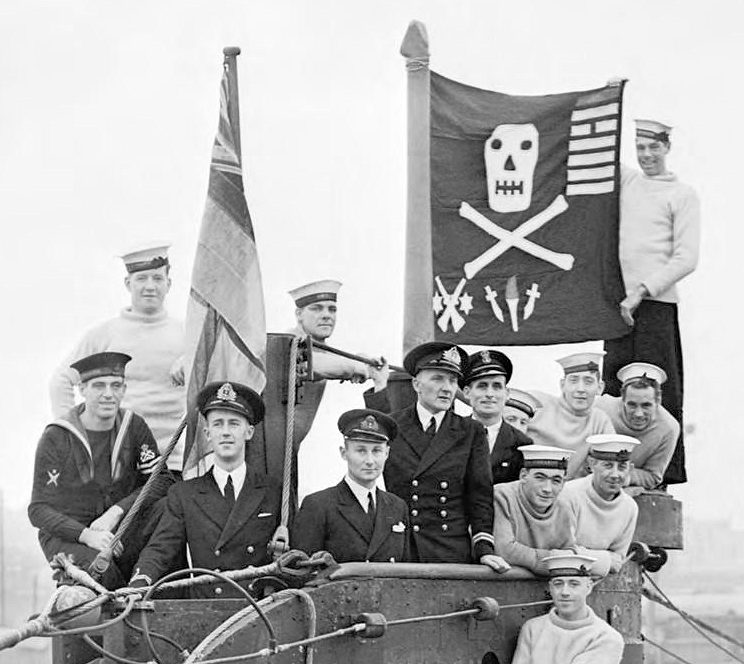
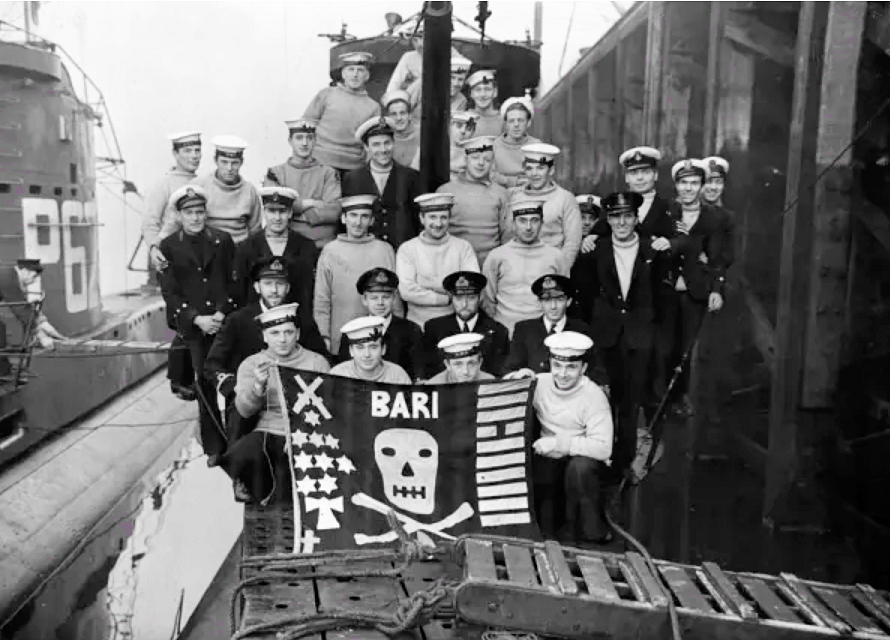
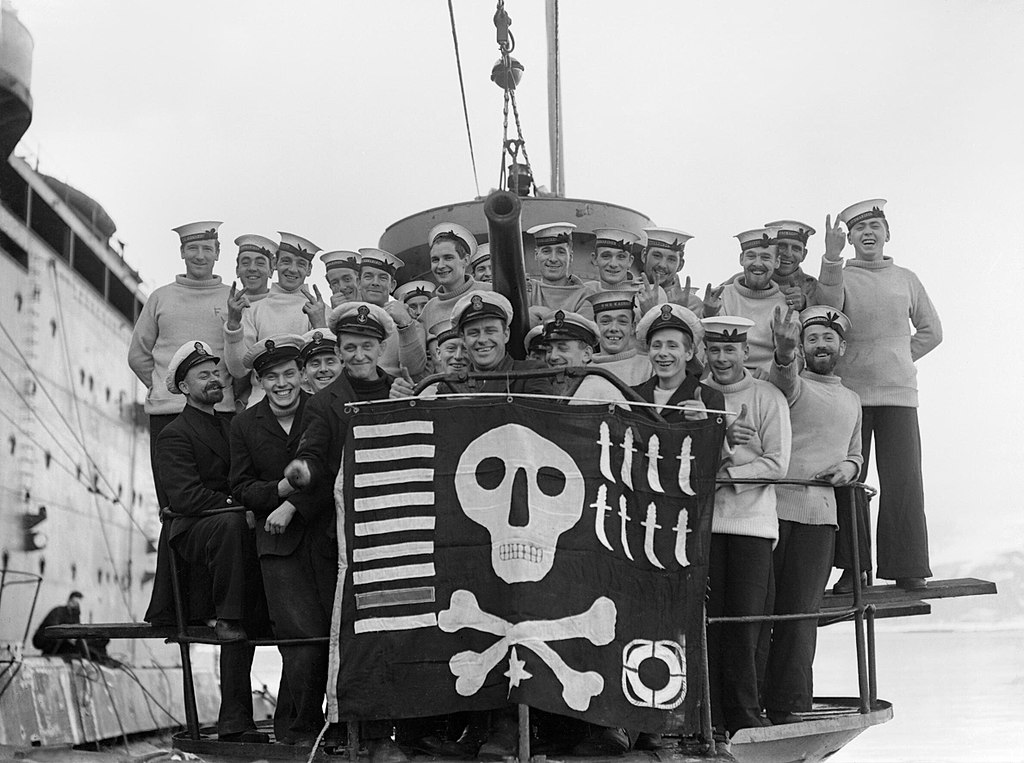
The practice restarted and became more widespread in World War 2. In October 1941, following a successful patrol by HMS Osiris, during which she sank the Italian destroyer Palestro the submarine returned to Alexandria, but was ordered to remain outside the boom net until the motorboat assigned to the leader of the 1st Submarine Flotilla had come alongside and delivered a "special recognition signal". The flotilla leader wanted to recognise the boat's achievement, which had involved penetrating deep into the heavily guarded Adriatic, so had a Jolly Roger made and delivered to Osiris. After this, the commanders of submarine flotillas began to issue the flags to submarines following the boat's first successful patrol. Once handed over, it became the responsibility of the boat's personnel to maintain the flag and update it with new symbols indicating the submarine's achievements. A submarine was entitled to fly the flag when returning from a successful patrol: it would be hoisted as the submarine passed the boom net, lowered at sunset, and could not be flown again until another successful patrol had occurred. The Jolly Roger could also be flown on the day a submarine returned to the UK from a successful overseas deployment. Although some sources claim that all British submarines used the flag, the practice was not taken up by those submarine commanders who saw it as boastful and potentially inaccurate, as sinkings could not always be confirmed.
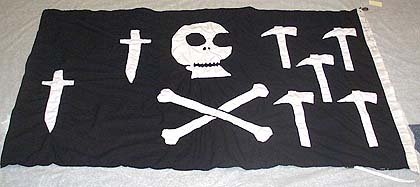
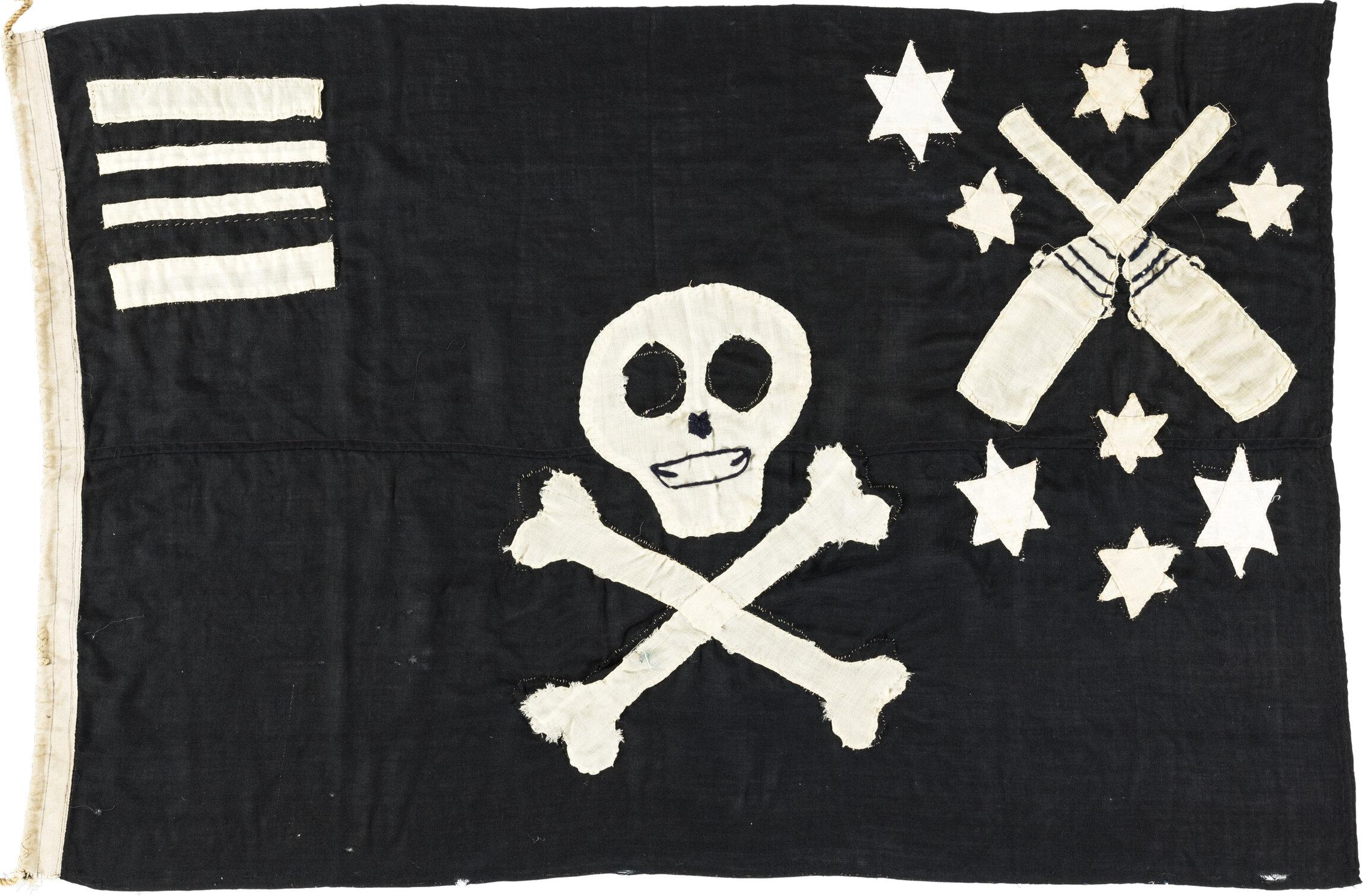
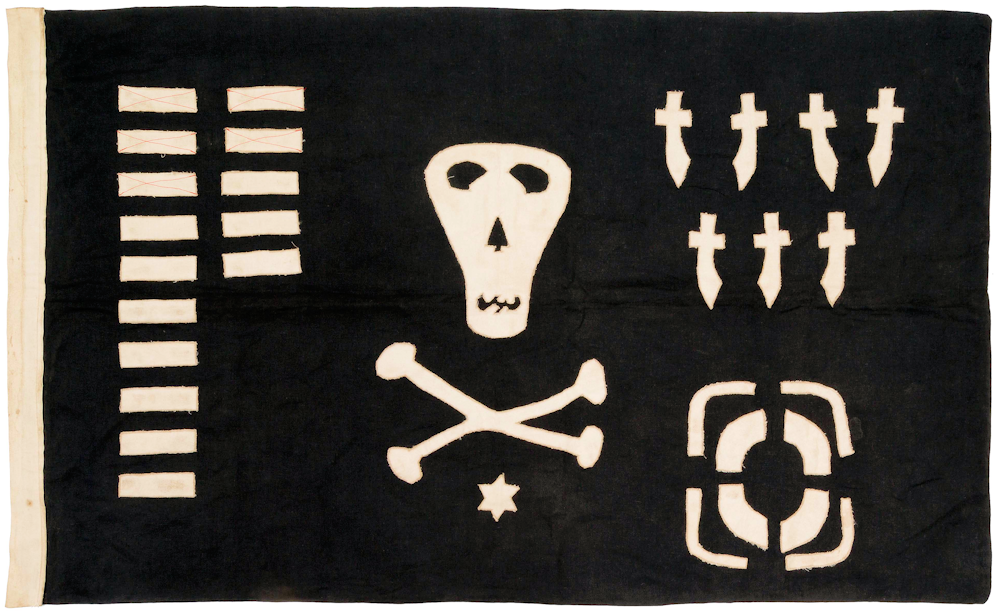
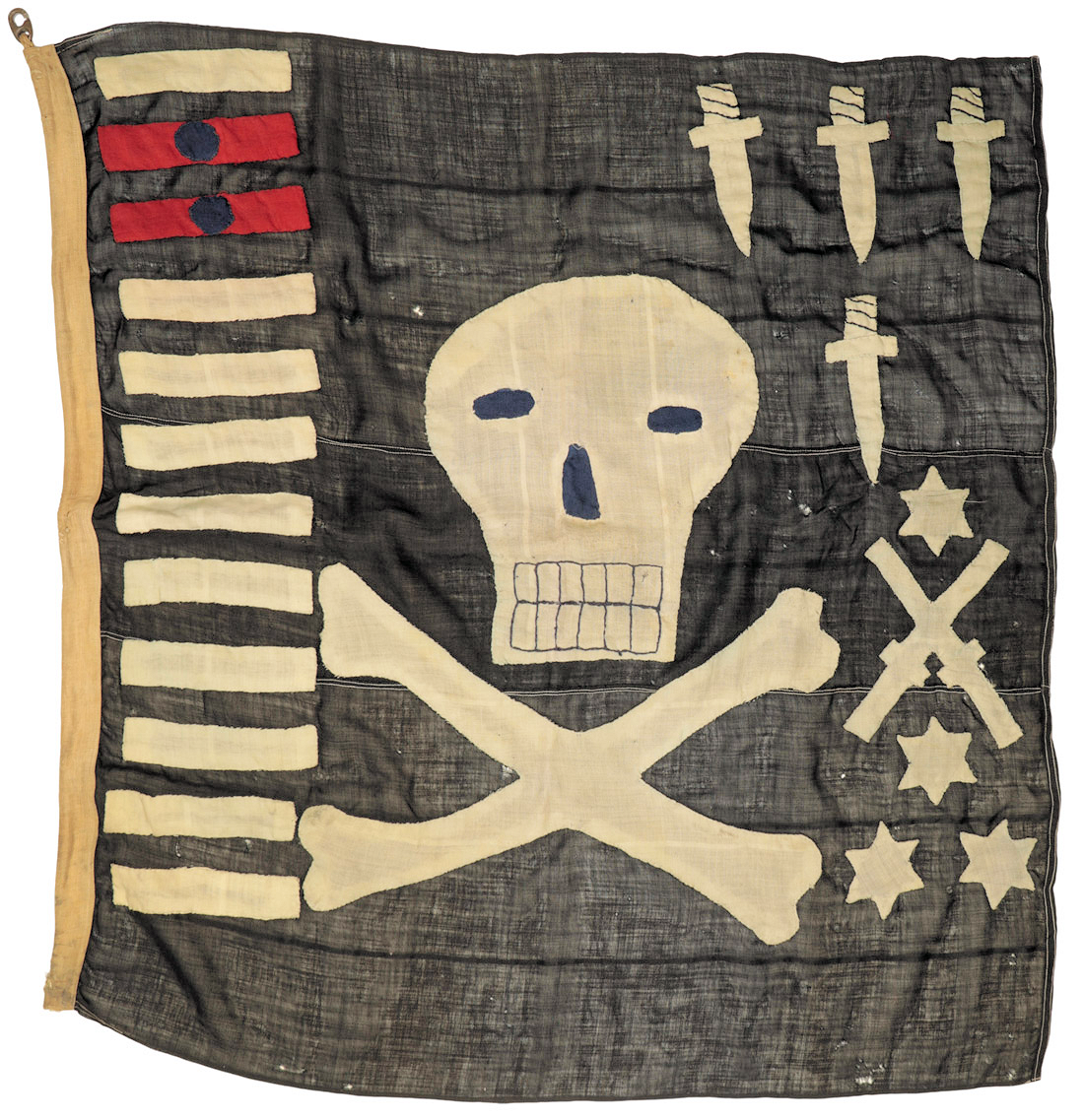
Flying the Jolly Roger continued in the late 20th century and on into the 21st. HMS Conqueror raised the flag decorated with the silhouette of a cruiser to recognise her successful attack on the Argentine cruiser ARA General Belgrano during the Falklands War. Unmarked Jolly Rogers were flown by HMS Opossum and HMS Otus on their return from deployments during the Gulf War: this was suspected to indicate the deployment of Special Air Service and Special Boat Service forces from the submarines. Several submarines returning from missions where Tomahawk cruise missiles were fired fly Jolly Rogers with tomahawk axes depicted, with crossed tomahawks indicating an unspecified number of firings, or individual axes for each successful launch.








Upload an image to this gallery
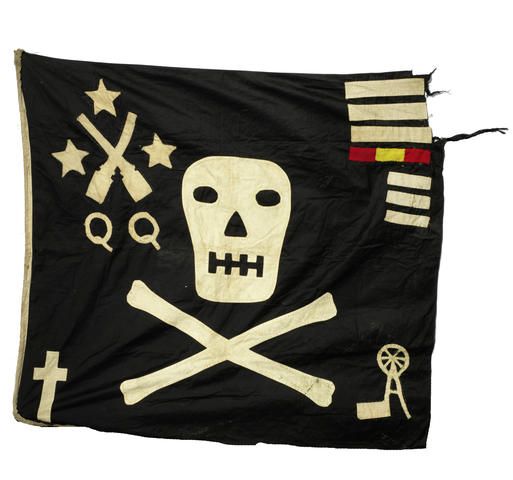
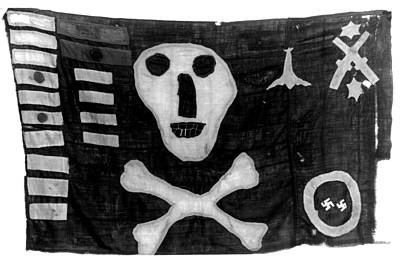
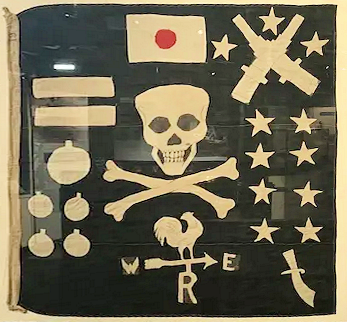
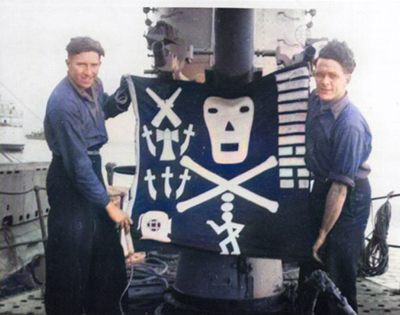
The symbols on a Jolly Roger are used to indicate the achievements of the submarine. Bars represented ships torpedoed, although post-war flags have sometimes used the silhouette of the target ship instead. Mines indicated minelaying operations, while torches or lighthouses meant the boat had been used as a navigation marker for an operation. More unusual symbols have also been used, with comic character Eugene the Jeep marking the recovery of a chariot and a dog used for submarines involved in Operation Husky.
Some icons are unique to a submarine: HMS Sibyl bears a scarlet pimpernel flower, marking the time a French spy forgot the recognition password and instead quoted from the play The Scarlet Pimpernel to prove herself, while a stork and baby was added to the Jolly Roger of HMS United when news of the birth of the captain's first child arrived while on patrol.






























| Class: | 1935 - 1970: T Class |
| Built By: | Vickers (Barrow) |
| Build Group: | T 3 |
| Fate: | |
| Scrapped 8th August 1971 at Briton Ferry. | |

The Royal Navy's Submarine Command Course, or 'Perisher', is a unique course, training, assessing and qualifying officers for submarine command which is, itself, unique, challenging and demanding; the epitome of mission command, with no succour, referral or support in a continuously threatening environment. It is therefore essential that those 'in command' are proven to be worthy and capable of their appointment.
The evolution of 'Perisher' is in recognisable periods: the earliest days, following the submarine's introduction into the Royal Navy, was an autodidactic existence with COs learning from their peers and by experimentation.
By 1917 circumstances had conflated to create the Periscope School and the Periscope Course to train and qualify COs whose characteristics were now fully formed. The interwar period was a difficult time, but it produced new submarines and technological innovations just in time for the Second World War and the most intense evolutionary period for 'Perisher'.
Post-1945 to 1969 experienced two evolutions: Commander Sandy Woodward's codification of the art of attacking and a shift in emphasis from purely 'periscope eye' attacking toward the development of safety and tactical prowess in students. In the 1970s-1980s, two parallel courses satisfied the demand for COs from an expanding diesel-nuclear submarine fleet using SSKs and then in 1989, an SSN.
The final period, 1990-2017 continues today with an all-nuclear Perisher and a curriculum to meet a changing battlespace, new weapons and tactics. Throughout its history, 'Perisher' has shaped the submarine commanding officer and he, in return, has shaped 'Perisher'.
12 pages added or updated in the last 1 month
Please help to maintain this site by reporting any Errors, Broken Links, Information or Site Issues on this page using this button

If you find this site useful, please consider supporting my work with a small Donation.
Please Note: Donations made using this option go directly to the site owner and not to the Submariners Association.
Thankyou for your support.
The symbols on a Jolly Roger are used to indicate the achievements of the submarine. Bars represented ships torpedoed, although post-war flags have sometimes used the silhouette of the target ship instead. Mines indicated minelaying operations, while torches or lighthouses meant the boat had been used as a navigation marker for an operation. More unusual symbols have also been used, with comic character Eugene the Jeep marking the recovery of a chariot and a dog used for submarines involved in Operation Husky.
Some icons are unique to a submarine: HMS Sibyl bears a scarlet pimpernel flower, marking the time a French spy forgot the recognition password and instead quoted from the play The Scarlet Pimpernel to prove herself, while a stork and baby was added to the Jolly Roger of HMS United when news of the birth of the captain's first child arrived while on patrol.
| Class: | 1935 - 1970: T Class |
| Built By: | Vickers (Barrow) |
| Build Group: | T 3 |
| Fate: | |
| Scrapped 8th August 1971 at Briton Ferry. | |
The Royal Navy's Submarine Command Course, or 'Perisher', is a unique course, training, assessing and qualifying officers for submarine command which is, itself, unique, challenging and demanding; the epitome of mission command, with no succour, referral or support in a continuously threatening environment. It is therefore essential that those 'in command' are proven to be worthy and capable of their appointment.
The evolution of 'Perisher' is in recognisable periods: the earliest days, following the submarine's introduction into the Royal Navy, was an autodidactic existence with COs learning from their peers and by experimentation.
By 1917 circumstances had conflated to create the Periscope School and the Periscope Course to train and qualify COs whose characteristics were now fully formed. The interwar period was a difficult time, but it produced new submarines and technological innovations just in time for the Second World War and the most intense evolutionary period for 'Perisher'.
Post-1945 to 1969 experienced two evolutions: Commander Sandy Woodward's codification of the art of attacking and a shift in emphasis from purely 'periscope eye' attacking toward the development of safety and tactical prowess in students. In the 1970s-1980s, two parallel courses satisfied the demand for COs from an expanding diesel-nuclear submarine fleet using SSKs and then in 1989, an SSN.
The final period, 1990-2017 continues today with an all-nuclear Perisher and a curriculum to meet a changing battlespace, new weapons and tactics. Throughout its history, 'Perisher' has shaped the submarine commanding officer and he, in return, has shaped 'Perisher'.
12 pages added or updated in the last 1 month
Please help to maintain this site by reporting any Errors, Broken Links, Information or Site Issues on this page using this button
If you find this site useful, please consider supporting my work with a small Donation.
Please Note: Donations made using this option go directly to the site owner and not to the Submariners Association.
Thankyou for your support.
This form is for you to comment on, or add additional information to this page. Any questions will be deleted. If you wish to ask a question contact the Branch or the Webmaster using the Contact Us page or ask your question on our Facebook Page