
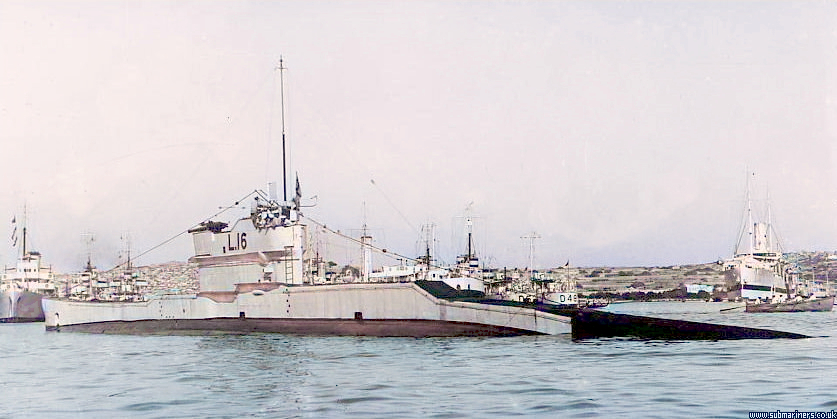
| Built By: | Fairfield (Clyde) |
| Build Group: | L2 |
| Fate: | Sold 16th February 1932 |
| 1918: | Lieutenant Commander | Alfred Gordon Hine | |
| 1920: | Lieutenant | Frank Percival Busbridge | |
| 1920: | Lieutenant Commander | Basil Nugent Downie | |
| 1921: | Lieutenant | Edward Murray Conrad Barraclough | |
| 1922: | Lieutenant Commander | John Hely Owen | |
| 1924: | Lieutenant Commander | Maurice William Bailward | |
| 1925: | Lieutenant Commander | Claud Barrington Barry | DSO |
| 1930: | Lieutenant | Henry Leslie Spofforth Baker |
At about 0255 we were pooped (being caught in a following sea and pushed forward at speed and a downward motion). We should have been hove to and just about keeping station as we would plough into the oncoming sea with waves reaching 50+ feet.

Before Harrison Ford assumed the mantle of playing Tom Clancy's Jack Ryan hero in Patriot Games, Alec Baldwin took a swing at the character in this John McTiernan film and hit one to the fence. If less instantly sympathetic than Ford, Baldwin is in some respects more interesting and nuanced as Ryan, and drawing comparisons between both actors' performances can make for some interesting post-movie discussion.
That aside, The Hunt for Red October stands alone as a uniquely exciting adventure with a fantastic co-star: Sean Connery as a Russian nuclear submarine captain attempting to defect to the West on his ship. Ryan must figure out his true motives for approaching the US.
McTiernan (Predator, Die Hard) made an exceptionally handsome movie here with action sequences that really do take one's breath away.
12 pages added or updated in the last 1 month
Please help to maintain this site by reporting any Errors, Broken Links, Information or Site Issues on this page using this button

If you find this site useful, please consider supporting my work with a small Donation.
Please Note: Donations made using this option go directly to the site owner and not to the Submariners Association.
Thankyou for your support.
At about 0255 we were pooped (being caught in a following sea and pushed forward at speed and a downward motion). We should have been hove to and just about keeping station as we would plough into the oncoming sea with waves reaching 50+ feet.
Before Harrison Ford assumed the mantle of playing Tom Clancy's Jack Ryan hero in Patriot Games, Alec Baldwin took a swing at the character in this John McTiernan film and hit one to the fence. If less instantly sympathetic than Ford, Baldwin is in some respects more interesting and nuanced as Ryan, and drawing comparisons between both actors' performances can make for some interesting post-movie discussion.
That aside, The Hunt for Red October stands alone as a uniquely exciting adventure with a fantastic co-star: Sean Connery as a Russian nuclear submarine captain attempting to defect to the West on his ship. Ryan must figure out his true motives for approaching the US.
McTiernan (Predator, Die Hard) made an exceptionally handsome movie here with action sequences that really do take one's breath away.
12 pages added or updated in the last 1 month
Please help to maintain this site by reporting any Errors, Broken Links, Information or Site Issues on this page using this button
If you find this site useful, please consider supporting my work with a small Donation.
Please Note: Donations made using this option go directly to the site owner and not to the Submariners Association.
Thankyou for your support.
This form is for you to comment on, or add additional information to this page. Any questions will be deleted. If you wish to ask a question contact the Branch or the Webmaster using the Contact Us page or ask your question on our Facebook Page