| Built By: | Fore River (USA) |
| Build Group: | H1 |
| Fate: | Broken up 1945 |
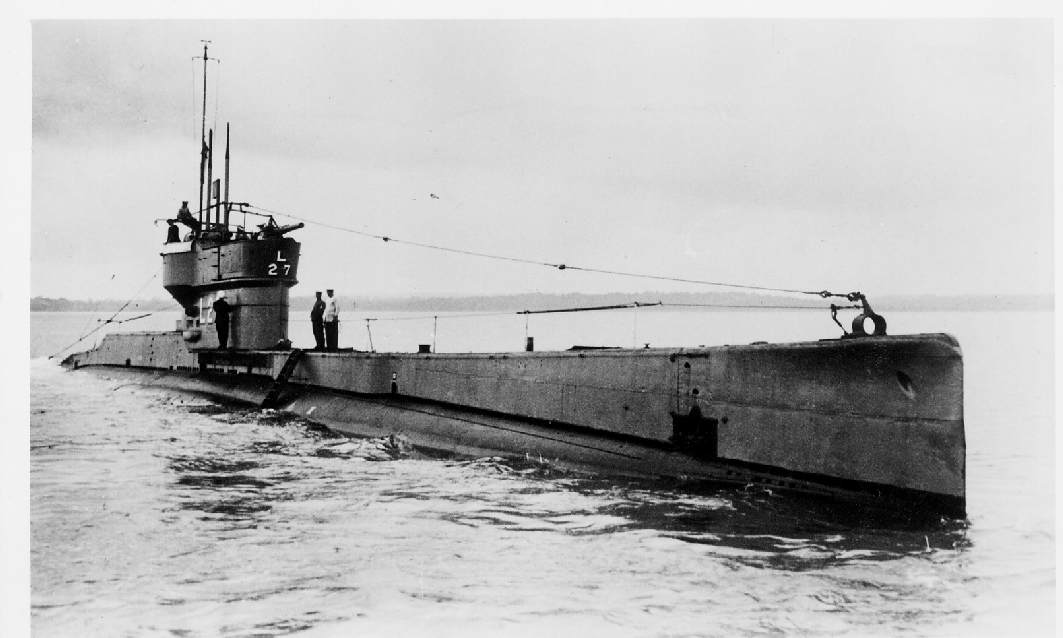
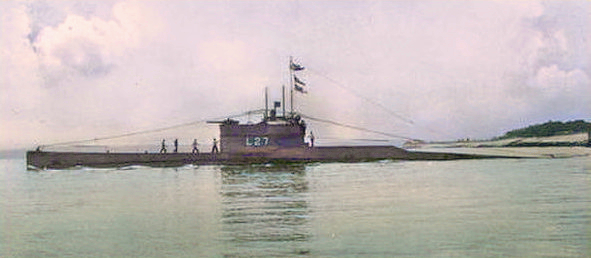
Held up by the US Government until the USA joined WW1 in 1917.
Transferred to Chile on 3 July 1917.
Interview with Peter Wadding on a record breaking Submarine Escape
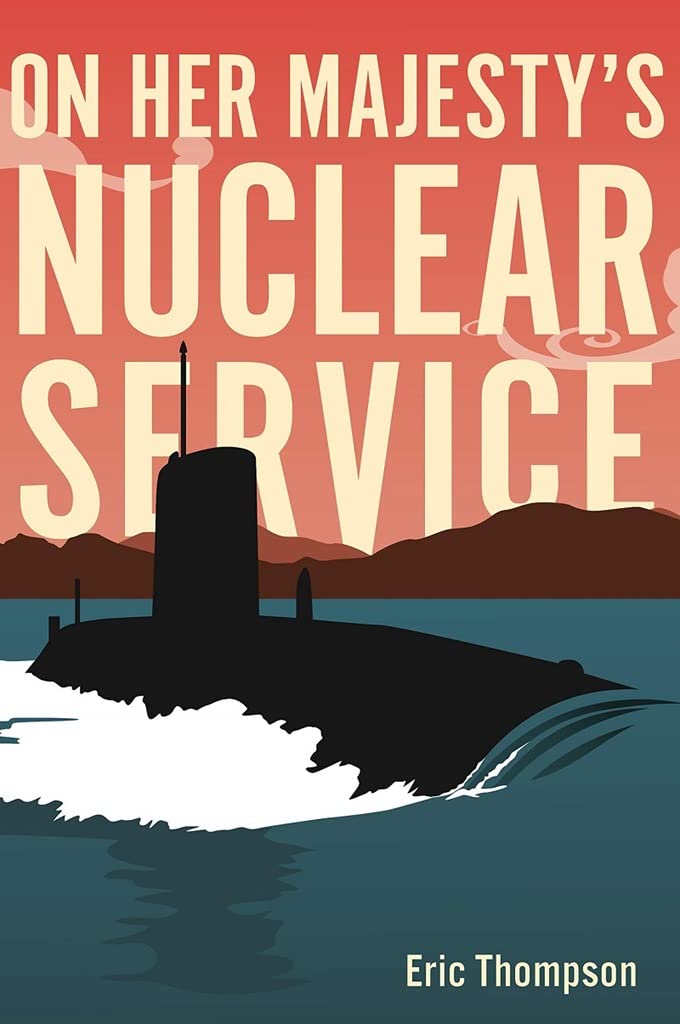
During the Cold War, nuclear submarines performed the greatest public service of all: prevention of a third world war. History shows that they succeeded; the Cold War ended peacefully, but for security reasons, only now can this story be told.
Eric Thompson is a career nuclear submarine officer who served from the first days of the Polaris missile boats until after the end of the Cold War. He joined the Navy in the last days of Empire, made his first sorties in World War II type submarines and ended up as the top engineer in charge of the navy's nuclear power plants. Along the way, he helped develop all manner of kit, from guided torpedoes to the Trident ballistic missile system. In this vivid personal account of his submarine operations, he reveals what it was like to literally have your finger on the nuclear button.
In his journey, the author leads the reader through top-secret submarine patrols, hush-hush scientific trials, underwater weapon developments, public relations battles with nuclear protesters, arm-wrestling with politicians and the changing roles of females and homosexuals in the Navy. It is essentially a human story, rich in both drama and comedy, like the Russian spy trawler that played dance music at passing submarines. There was never a dull moment.
Behind the lighter moments was a deadly serious game. This, the inside story of Britain's nuclear deterrent, reveals the secretive life of submarines and the men who served on them; they kept their watch, and by maintaining the threat of 'Mutually Assured Destruction' helped keep Britain and the world safe.
21 pages added or updated in the last 2 month
Please help to maintain this site by reporting any Errors, Broken Links, Information or Site Issues on this page using this button

If you find this site useful, please consider supporting my work with a small Donation.
Please Note: Donations made using this option go directly to the site owner and not to the Submariners Association.
Thankyou for your support.
Interview with Peter Wadding on a record breaking Submarine Escape
During the Cold War, nuclear submarines performed the greatest public service of all: prevention of a third world war. History shows that they succeeded; the Cold War ended peacefully, but for security reasons, only now can this story be told.
Eric Thompson is a career nuclear submarine officer who served from the first days of the Polaris missile boats until after the end of the Cold War. He joined the Navy in the last days of Empire, made his first sorties in World War II type submarines and ended up as the top engineer in charge of the navy's nuclear power plants. Along the way, he helped develop all manner of kit, from guided torpedoes to the Trident ballistic missile system. In this vivid personal account of his submarine operations, he reveals what it was like to literally have your finger on the nuclear button.
In his journey, the author leads the reader through top-secret submarine patrols, hush-hush scientific trials, underwater weapon developments, public relations battles with nuclear protesters, arm-wrestling with politicians and the changing roles of females and homosexuals in the Navy. It is essentially a human story, rich in both drama and comedy, like the Russian spy trawler that played dance music at passing submarines. There was never a dull moment.
Behind the lighter moments was a deadly serious game. This, the inside story of Britain's nuclear deterrent, reveals the secretive life of submarines and the men who served on them; they kept their watch, and by maintaining the threat of 'Mutually Assured Destruction' helped keep Britain and the world safe.
21 pages added or updated in the last 2 month
Please help to maintain this site by reporting any Errors, Broken Links, Information or Site Issues on this page using this button
If you find this site useful, please consider supporting my work with a small Donation.
Please Note: Donations made using this option go directly to the site owner and not to the Submariners Association.
Thankyou for your support.
This form is for you to comment on, or add additional information to this page. Any questions will be deleted. If you wish to ask a question contact the Branch or the Webmaster using the Contact Us page or ask your question on our Facebook Page