| Built By: | Vickers (Barrow) |
| Build Group: | Nautilus |
| Fate: | Scrapped June 1922. |

| 1917: | Lieutenant Commander | Henry Phillips Hughes |
First British submarine to be named. Served with the 6th Flotilla at Portsmouth but was used more as a depot ship. In 1918 became a battery charging vessel and was never operational.
Nautilus was a bold experiment - with an increase in surface displacement and a change from the saddle tank type of construction to a double-hull. She was a twin shaft vessel with two Vickers diesel engines, each of 1850 hp, two main motors of 500 bhp and 352 Exide cells in two battery tanks.
Chapter 5 - Double-Hull Submarines
The Development of HM Submarines from Holland 1 (1901) to Porpoise (1930)
Chapter 7: Double-Hull Overseas Types - Nautilus, Swordfish (1913), G & J Classes
The Development of HM Submarines from Holland 1 (1901) to Porpoise (1930)
As depth charges exploded, some unpleasantly close, one could hear the distinct click of the detonator prior to the subsequent main charge explosion. Luckily, many times, the depth charges were a few hundred yards away from the submarine, but we could still hear that click of the detonator, sometimes rather faintly, but we heard it just the same.
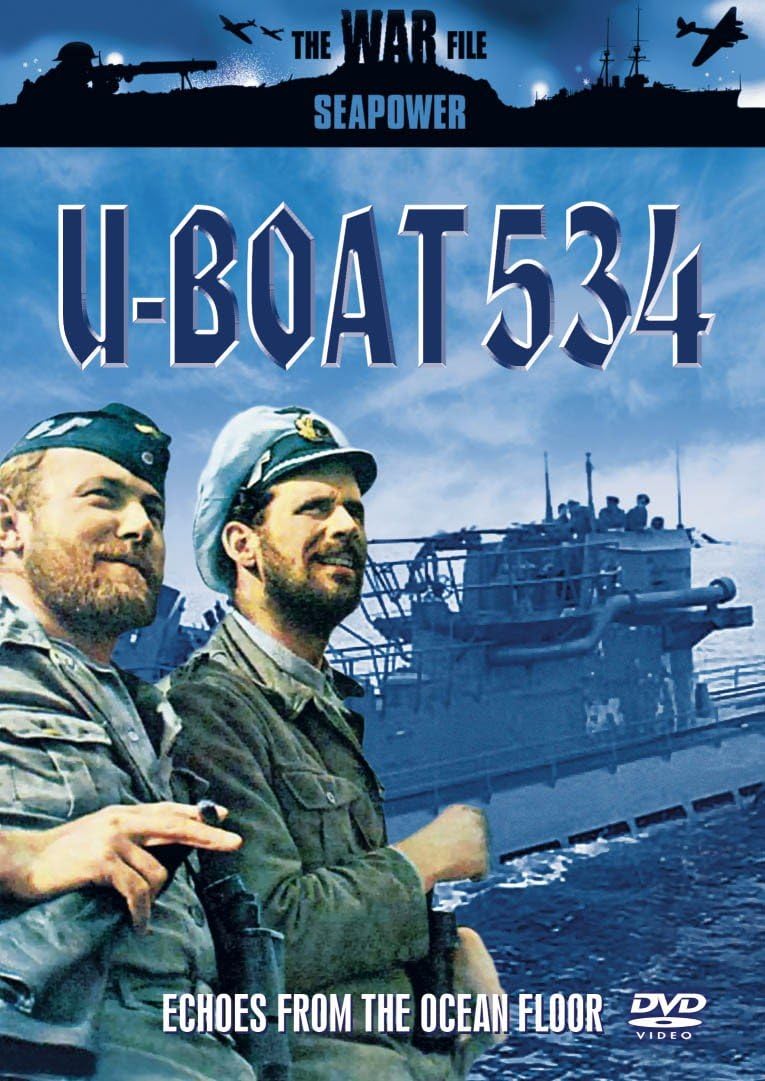
'Underwater, underhanded and damned un-English' they might have been but submarine development and deployment has long been an integral part of naval warfare.
For centuries man has been fascinated with the possibility of an underwater vessel, the ultimate method of improving the odds against a superior surface fleet. Being submerged beneath the sea was the obvious means by which a warship could be approached and attacked without detection - but the attempts to create the perfect sub was a long and often tragic affair.
This DVD tracks the evolution of underwater crafts from the early Turtle to a privileged look inside the salvaged U-Boat 534 and beyond. Aboard the famous U-Boat 534 we examine the living conditions and the true bravery shown by all her crew.
12 pages added or updated in the last Array month
Please help to maintain this site by reporting any Errors, Broken Links, Information or Site Issues on this page using this button

If you find this site useful, please consider supporting my work with a small Donation.
Please Note: Donations made using this option go directly to the site owner and not to the Submariners Association.
Thankyou for your support.
As depth charges exploded, some unpleasantly close, one could hear the distinct click of the detonator prior to the subsequent main charge explosion. Luckily, many times, the depth charges were a few hundred yards away from the submarine, but we could still hear that click of the detonator, sometimes rather faintly, but we heard it just the same.
'Underwater, underhanded and damned un-English' they might have been but submarine development and deployment has long been an integral part of naval warfare.
For centuries man has been fascinated with the possibility of an underwater vessel, the ultimate method of improving the odds against a superior surface fleet. Being submerged beneath the sea was the obvious means by which a warship could be approached and attacked without detection - but the attempts to create the perfect sub was a long and often tragic affair.
This DVD tracks the evolution of underwater crafts from the early Turtle to a privileged look inside the salvaged U-Boat 534 and beyond. Aboard the famous U-Boat 534 we examine the living conditions and the true bravery shown by all her crew.
12 pages added or updated in the last Array month
Please help to maintain this site by reporting any Errors, Broken Links, Information or Site Issues on this page using this button
If you find this site useful, please consider supporting my work with a small Donation.
Please Note: Donations made using this option go directly to the site owner and not to the Submariners Association.
Thankyou for your support.
This form is for you to comment on, or add additional information to this page. Any questions will be deleted. If you wish to ask a question contact the Branch or the Webmaster using the Contact Us page or ask your question on our Facebook Page