The torpedo has long been the silent, lethal punch behind the stealth of Royal Navy submarines. From the rudimentary designs of the First World War to today's cutting-edge guided weapons, the evolution of torpedoes has not only shaped submarine warfare, but also defined the operational doctrines of the Royal Navy itself.
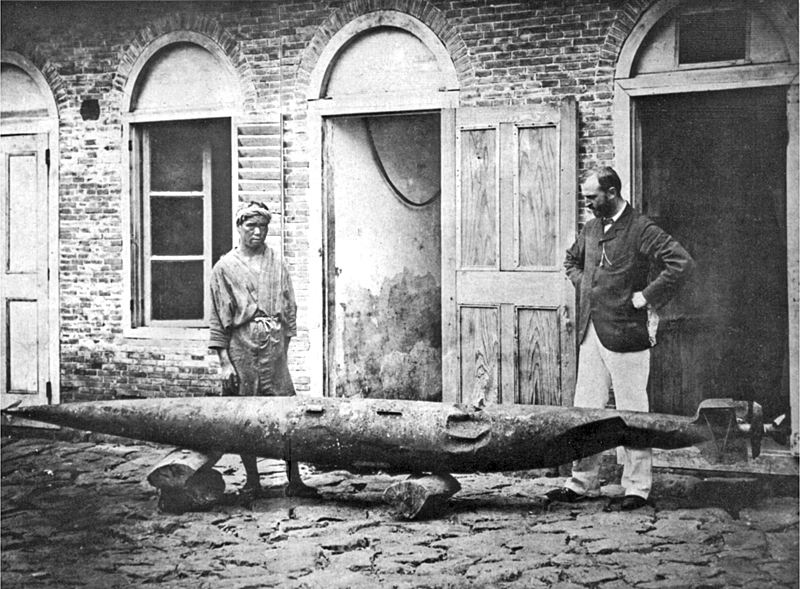
The Royal Navy began experimenting with torpedoes in the late 19th century, with the adoption of the Whitehead torpedo, the first self-propelled torpedo, in the 1870s. Initially deployed from surface vessels, these torpedoes soon found a natural home in submarines, offering a stealthy and surprising method of attack.
When the Royal Navy commissioned its first submarine, HMS Holland 1, in 1901, it was armed with a single 18-inch torpedo tube. By the time World War I erupted, submarines like the E Class carried multiple 18-inch torpedo tubes, both bow and beam-mounted, reflecting the growing reliance on submerged attacks.
During the interwar period, advances in engineering led to the introduction of the 21-inch torpedo, offering greater range, speed, and explosive payload than earlier versions. Submarines such as the O Class, P Class, and R Class were fitted with these more powerful torpedoes. Improvements in propulsion (notably, the adoption of steam-driven wet-heater systems) and gyro-guidance enhanced accuracy, though homing technology was still a distant dream.
World War II saw the Royal Navy's submarine fleet come of age, especially in the Mediterranean. Submarines like the T Class and S Class carried 21-inch Mark VIII torpedoes, which became the workhorse of undersea warfare. Despite their robustness, early torpedoes were plagued by reliability issues, faulty detonators and depth-keeping errors sometimes led to missed opportunities.
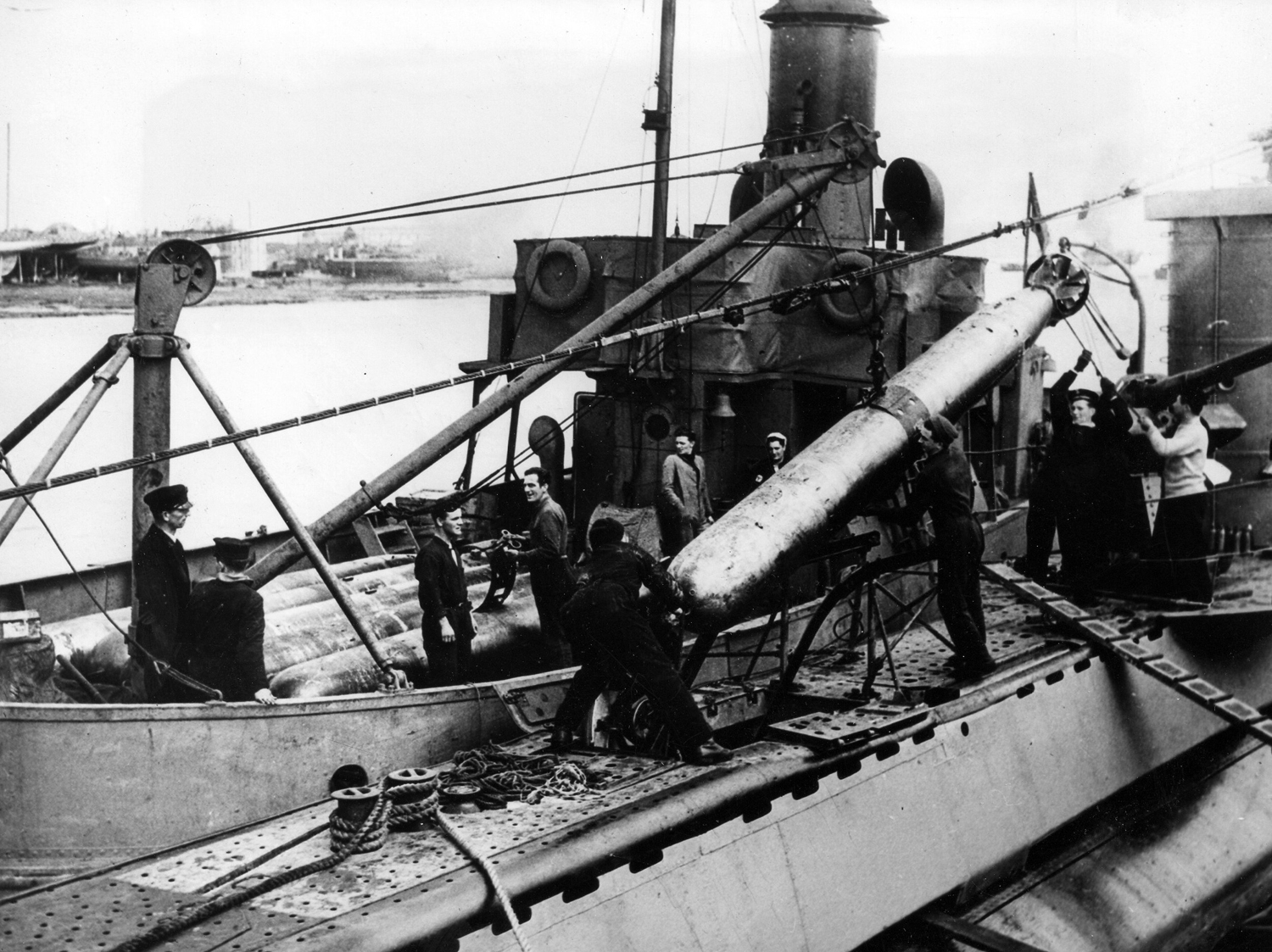
By 1943, refinements had improved the Mark VIII's reliability. British subs dealt major blows to Axis shipping, with notable successes such as HMS Upholder and HMS Safari, both of which scored multiple torpedo kills against enemy vessels.
The Cold War era transformed undersea warfare. With the advent of nuclear propulsion, starting with HMS Dreadnought in 1963, Royal Navy submarines could remain submerged for months, extending the tactical role of the torpedo

This period saw the introduction of wire-guided torpedoes and passive/active homing systems. The Mark 23 and Mark 24 (Tigerfish) were part of this transition, with Tigerfish representing a leap toward computerized guidance, though it had mixed operational results.
Meanwhile, the development of nuclear-armed ballistic missile submarines (SSBNs) like the Resolution Class marked a shift in submarine purpose, from anti-ship warfare to strategic deterrence. Torpedoes, however, remained essential for self-defense and anti-submarine operations.
Today, the Royal Navy's Astute Class and Vanguard Class submarines rely on the Spearfish heavyweight torpedo, a formidable weapon capable of speeds over 70 knots and ranges beyond 30 miles. It employs active/passive sonar and fiber-optic guidance, making it highly effective against both surface ships and enemy submarines.
Meet the UK's New Spearfish Super torpedo the world's most advanced torpedoes ever built.
The Sting Ray lightweight torpedo, used by helicopters and surface ships, complements submarine-launched systems and ensures layered undersea defense.
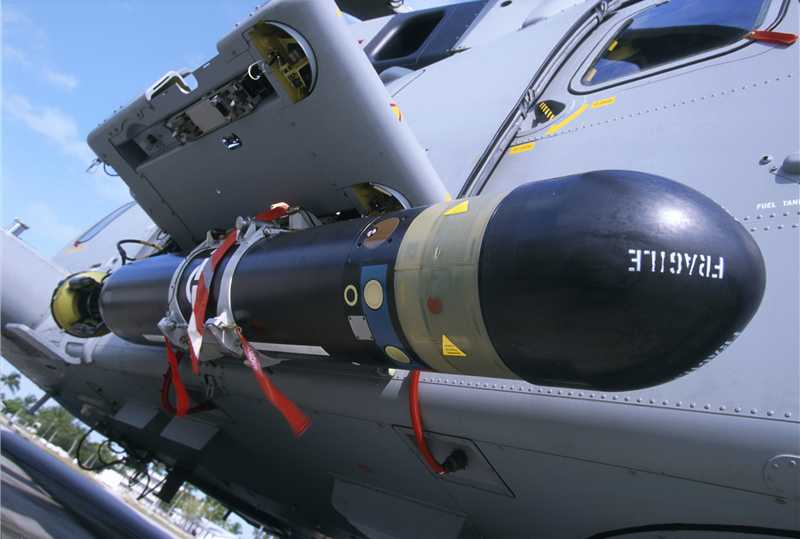
In 2020, the Spearfish underwent a major upgrade program to enhance its warhead, guidance, and tactical systems, ensuring it remains lethal in future conflict scenarios.
Torpedoes have remained at the core of Royal Navy submarine capability for over a century. Their evolution' from unguided, steam-powered cylinders to intelligent underwater missiles mirrors the broader advancement of naval technology. As threats multiply in the underwater domain, the Royal Navy continues to invest in new generations of torpedos, ensuring its "Silent Service" remains both silent and deadly.
A5's refueling was completed at 0805. Approximately two hours later an explosion occurred inside A5 toward the stern, a second explosion some thirty minutes later followed this. The second explosion was located in the conning tower area. So great was the force of the explosions that members of the crew were actually blown out of the boat through the main hatch into the water. Subsequently two crew members were picked up by a tug.

The Senior Service has, for a hundred years, had submarines.
Originally thought to be Un-English, submarines helped us win two World Wars and have played a great part in Britain's nuclear deterrent for the past thirty years. Originally some of the small subs had crews of less than ten men, unlike today's nuclear behemoths with crews of almost one hundred.
Submariners are a breed apart; ask any submariner and they'll tell you they think and act differently from the regular navy. Submariners is the story of the submarine service in the words of the men involved.
13 pages added or updated in the last Array month
Please help to maintain this site by reporting any Errors, Broken Links, Information or Site Issues on this page using this button

If you find this site useful, please consider supporting my work with a small Donation.
Please Note: Donations made using this option go directly to the site owner and not to the Submariners Association.
Thankyou for your support.
A5's refueling was completed at 0805. Approximately two hours later an explosion occurred inside A5 toward the stern, a second explosion some thirty minutes later followed this. The second explosion was located in the conning tower area. So great was the force of the explosions that members of the crew were actually blown out of the boat through the main hatch into the water. Subsequently two crew members were picked up by a tug.
The Senior Service has, for a hundred years, had submarines.
Originally thought to be Un-English, submarines helped us win two World Wars and have played a great part in Britain's nuclear deterrent for the past thirty years. Originally some of the small subs had crews of less than ten men, unlike today's nuclear behemoths with crews of almost one hundred.
Submariners are a breed apart; ask any submariner and they'll tell you they think and act differently from the regular navy. Submariners is the story of the submarine service in the words of the men involved.
13 pages added or updated in the last Array month
Please help to maintain this site by reporting any Errors, Broken Links, Information or Site Issues on this page using this button
If you find this site useful, please consider supporting my work with a small Donation.
Please Note: Donations made using this option go directly to the site owner and not to the Submariners Association.
Thankyou for your support.
This form is for you to comment on, or add additional information to this page. Any questions will be deleted. If you wish to ask a question contact the Branch or the Webmaster using the Contact Us page or ask your question on our Facebook Page